


 Language: English











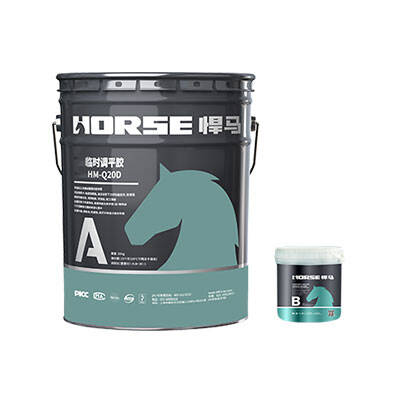
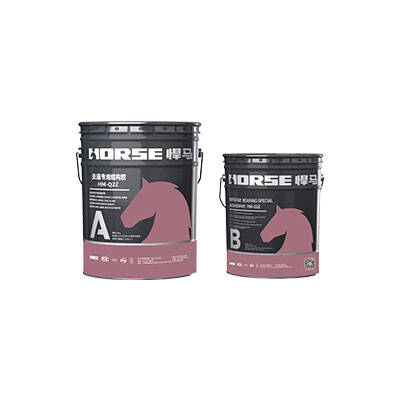
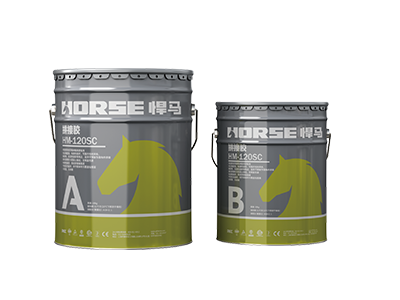
Solutions
Horse Construction offers full range of structural strengthening materials with technical supports, documentation supports, products supports, project supports.
Carbon Fiber Laminate Applications in Structural Strengthening and Rehabilitation

Traditional strengthening methods such as section enlargement and external steel bonding have disadvantages including high self-weight, corrosion risk, long construction period, and significant disturbance to building usage. As an advanced structural reinforcement material, carbon fiber laminates overcome these limitations and provide efficient, reliable, and long‑lasting solutions for various structural repair and strengthening demands.
Carbon Fiber Laminates (CFRP laminates) represent a high-performance, lightweight, and durable strengthening system widely adopted in civil engineering for structural upgrade, repair, and retrofitting. With outstanding tensile strength, corrosion resistance, fatigue durability, and ease of installation, carbon fiber laminates effectively improve structural performance, restore load-bearing capacity, enhance seismic safety, and extend service life. This paper systematically introduces the core engineering applications of carbon fiber laminates, including load capacity improvement, structural retrofitting for utilization change, seismic strengthening, damage repair, and correction of design and construction defects.

Increased Load Capacity in Buildings and Infrastructure
Carbon fiber laminates are widely used to improve the flexural and shear capacity of structural members to meet higher load requirements. In buildings, bridges, industrial floors, hospital facilities, parking decks, and roof systems, the original structural design may no longer satisfy current service loads. By bonding carbon fiber laminates to the tension zone of beams, slabs, and girders, the overall load-bearing capacity can be significantly enhanced without increasing the sectional dimension or self-weight of the structure.
This application is especially suitable for structures under frequent or long‑term loads, including vibrating equipment foundations, hospital floors with high load demand, heavy-duty workshop slabs, and bridge decks subjected to increasing traffic loads. Carbon fiber laminates effectively reduce deflection, control crack development, and improve structural stiffness and safety reserves.
Load Capacity Improvement for Building Utilization Change
When the functional utilization of a building changes—such as reconstruction from office to warehouse, equipment upgrading, storage load increase, or transformation of public buildings—the original structural load capacity often becomes insufficient. Carbon fiber laminates provide a fast and effective strengthening scheme without major demolition or reconstruction.
They can be flexibly installed on beams, slabs, columns, and other components to improve bearing capacity and meet new load requirements. The construction is lightweight and efficient, causing minimal interruption to normal building operation, making it an ideal solution for structural upgrading under functional transformation.

Seismic Strengthening of Structural Elements
Seismic performance is critical to structural safety, especially for existing buildings, old bridges, and unreinforced masonry structures. Carbon fiber laminates are widely used for seismic strengthening of columns, beam‑column joints, shear walls, and unreinforced masonry walls.
By bonding carbon fiber laminates, the confinement effect on concrete and masonry is significantly improved, enhancing ductility, shear resistance, and energy dissipation capacity. The system effectively reduces seismic damage, prevents brittle failure, and improves overall structural stability under earthquake action. It is widely applied in seismic retrofitting of residential, public, and industrial buildings.
Repair of Damaged Structural Components
Structural damage may result from material aging, carbonation, steel corrosion, chemical erosion, fire exposure, vehicle impact, or overloading. Carbon fiber laminates provide reliable repair and structural recovery for damaged members.
They restore mechanical performance, limit further crack propagation, and protect the structure from continued environmental deterioration. Whether for corrosion‑damaged bridge components, fire‑affected building beams and slabs, or impact‑damaged columns, carbon fiber laminates achieve high‑efficiency repair with strong durability and long‑term structural stability.
Correction of Design and Construction Defects
Many structural deficiencies originate from insufficient reinforcement design, inadequate member depth, low concrete strength, or construction deviations. These defects threaten bearing capacity and service safety.
Carbon fiber laminates provide an effective technical method to compensate for insufficient strength or stiffness. They can be used to strengthen members with design or construction defects, restore structural performance, and meet code requirements. This non‑destructive and efficient method avoids reconstruction and reduces engineering cost and period.
You can find anything here you are in need of, have a trust trying on these products, you will find the big difference after that.

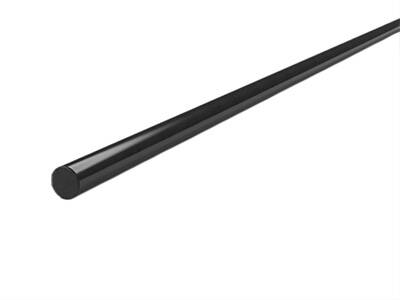
High strength carbon fiber reinforced polymer (CFRP) strip / laminate / plate for structural strengthening and concrete repair

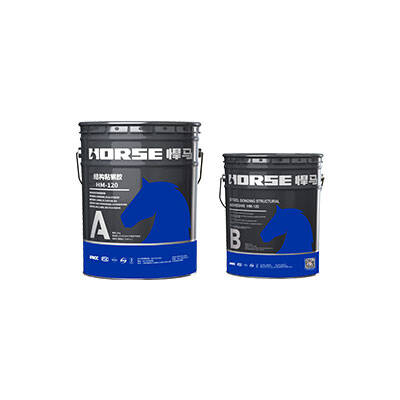
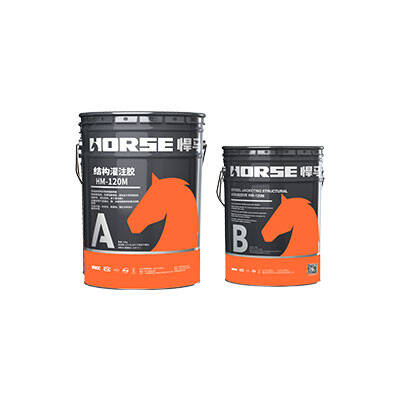
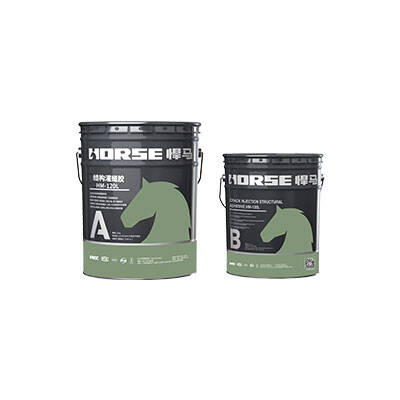
High strength carbon fiber reinforced polymer plate adhesive for applying CFRP laminate/strip/plate on the structural members

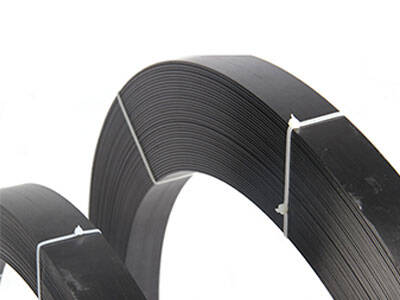
HM-1.4TT is a high strength, high modulus unidirectional carbon fiber reinforce polymer(CFRP) laminate for structural strengthening
