


 Language: English











Solutions
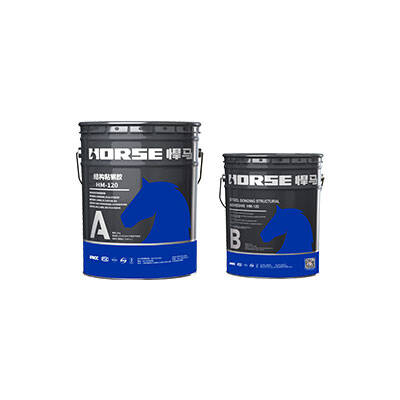
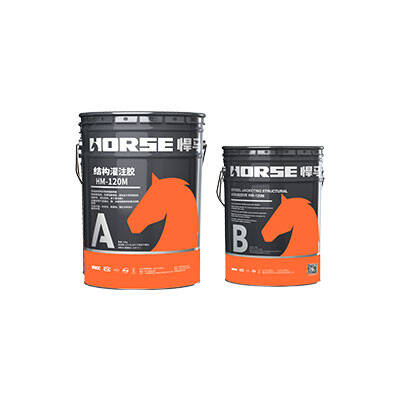
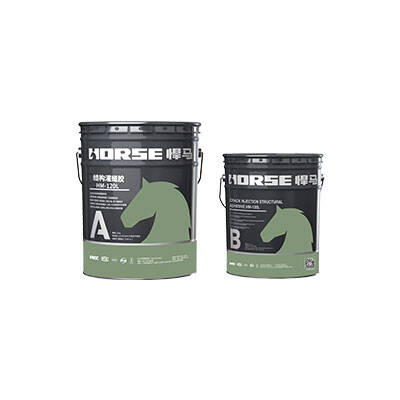
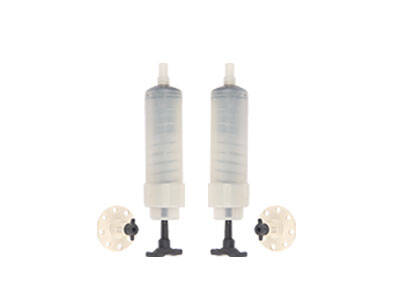
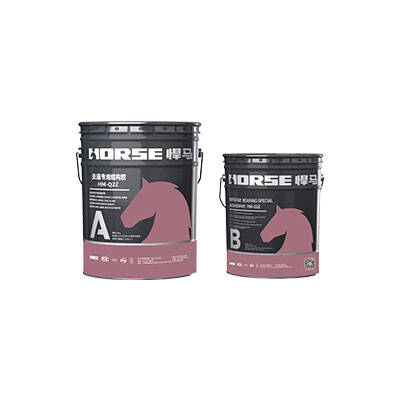
Horse Construction offers full range of structural strengthening materials with technical supports, documentation supports, products supports, project supports.
Why?
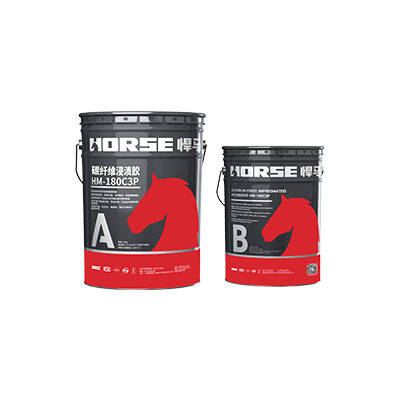
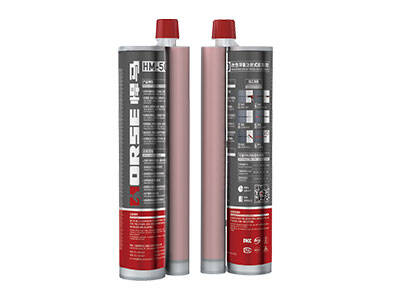
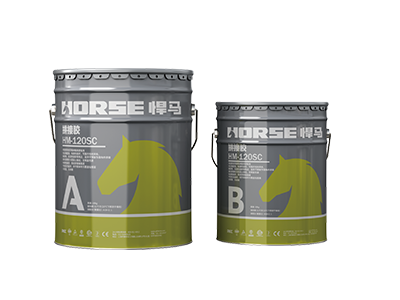
A client from East Asia inquired about an issue with the HM-180: the primer was suddenly becoming very hot and curing rapidly.

The curing reaction has gone into a runaway exothermic state; stop what you are doing immediately.
Immediate actions to take
Discard the adhesive that has already become hot; do not use it. Once the temperature rises, the reaction accelerates rapidly (exothermic heat → temperature rise → faster reaction → more heat generation). If you force-apply it to the concrete, it will cure incompletely, resulting in poor adhesion and a high risk of peeling later on.
Do not add water or solvents to the adhesive to cool it down; doing so will severely compromise its performance.
Clean any adhesive off your hands and tools immediately before it hardens completely.
Why did it suddenly get hot and cure so fast?
Here are the most common reasons, ranked by probability:
Mixing too large a batch at once—this is the primary cause. Epoxy curing is an exothermic reaction; when a large amount is mixed, heat cannot dissipate effectively, causing the temperature to rise quickly and the reaction rate to increase exponentially.
High ambient temperature—working in summer heat or direct sunlight raises the initial temperature of the adhesive, causing the reaction to start rapidly.
Incorrect mixing ratio—adding too much curing agent (even just 10–15% extra) significantly accelerates the curing speed and intensifies the heat generation.
Container is too deep and narrow—mixing in a small, deep bucket results in a small surface area and poor heat dissipation, causing heat to accumulate inside.
Application layer is too thick—the primer is intended to be applied thinly to seal pores; if applied too thickly, the heat generated within the layer cannot dissipate.
I continued chatting with the client and discovered that while the mixing ratio was correct, he had prepared too much adhesive at once.
Since our glue application rate is 0.2–0.3 kg/m², and he prepared 15 kg, he mixed far too much—enough for 50 to 75 square meters in one go.

Then, a new issue was discovered: after he finished mixing the glue, he put the lid back on.
Putting the lid on was not the direct cause, but it exacerbated the problem (contributing factor). Closing the lid didn't cause the reaction, but it made it happen faster.
In an open container, some heat escapes through the surface. When you close the lid, you trap all that heat inside the bucket — like putting a lid on a pot of boiling water. The temperature climbs faster, and the reaction runs away sooner.
Finally, a few simple tips for the client:
Mix no more than 1–2 kg at a time.
Use a wide-mouthed, shallow tray rather than a deep bucket to maximize the heat dissipation surface area.
Spread the mixture out immediately after mixing; do not leave it in the bucket or cover it with a lid.
Further reduce the batch size when applying in summer.
You can find anything here you are in need of, have a trust trying on these products, you will find the big difference after that.

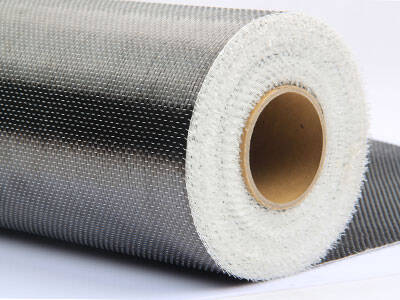
High strength, unidirectional carbon fiber wrap pre-saturated to form a carbon fiber reinforced polymer (CFRP) wrap used to strengthen structural concrete elements.

Low viscosity, strong penetration carbon fiber primer for reinforced concrete surface to enhace the defect part

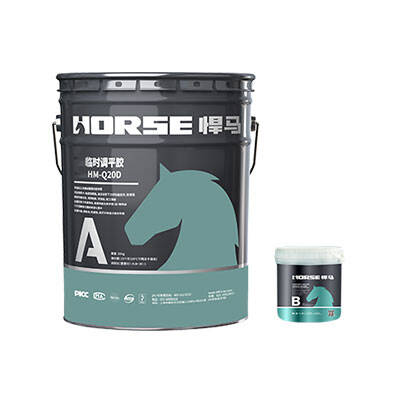
Good thixotropy carbon fiber leveling adhesive for concrete surface repairing
